Knives for Self Defense
A knife can serve as a last-resort self-defense tool when carried responsibly and legally. The right choice depends on your carry preference, how quickly you need to deploy it, and the laws in your state. This page covers four practical options across different styles and price points—so you can make an informed decision, not an impulse one.
What Kind of Person Actually Carries a Knife for Self Defense?
Most people who arrive here aren't looking for something aggressive. They're looking for something reliable—a tool they can carry every day without thinking about it, that's there if the situation ever demands it. Maybe you already carry a folding knife for utility and want to know if it's genuinely viable for defense. Maybe you've decided a firearm isn't the right fit for your lifestyle, and you want an alternative that doesn't require a permit in most states.
That's a reasonable position. A knife is one of the oldest and most accessible personal tools there is. What matters is choosing one that fits how you actually live—your carry habits, your comfort with the mechanics, and yes, the legal landscape where you live. None of that is one-size-fits-all, and this page won't pretend otherwise.
Top Knives for Self Defense
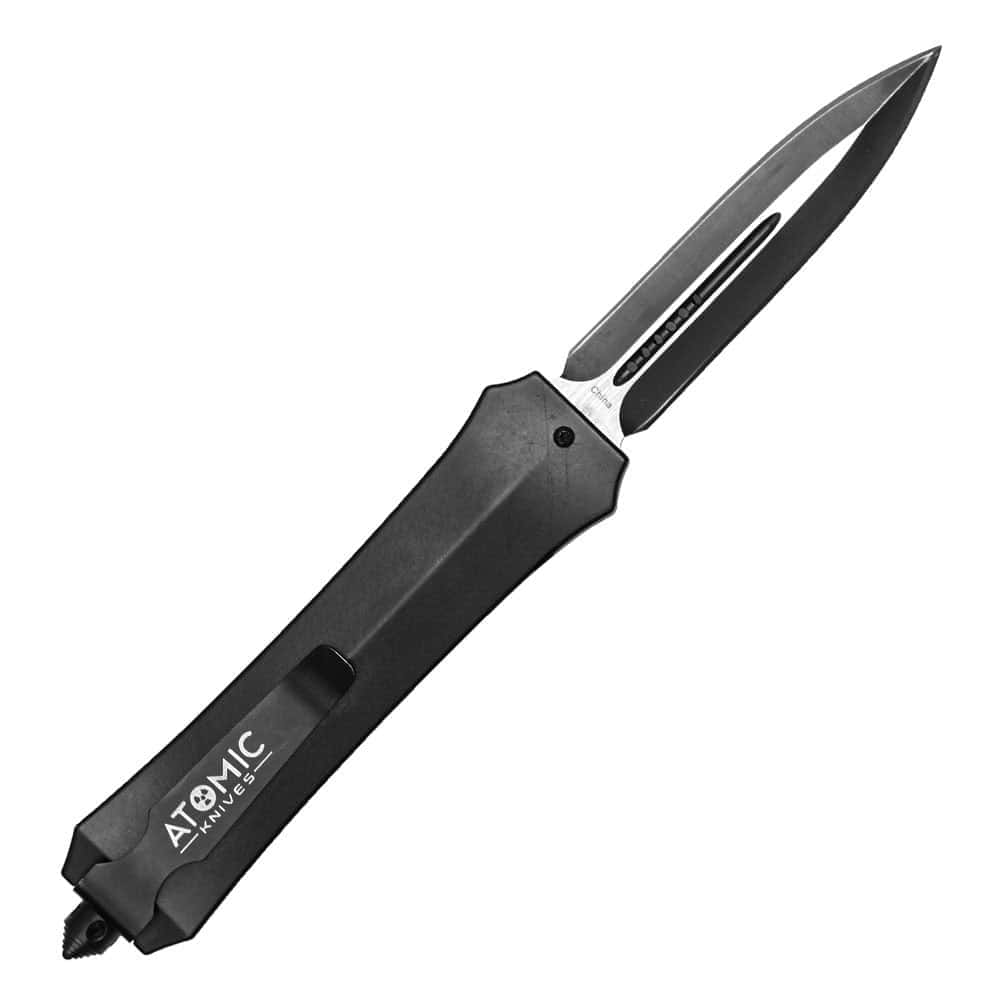
OTF Automatic Knife – Double Edge 3.75-Inch Blade
Price: $69.95
An out-the-front deployment knife opens with a single thumb slide—no wrist flick, no fumbling with a thumb stud. For someone who wants the blade accessible quickly from a jacket pocket or belt carry, this design removes a step. The double-edge 3.75-inch blade and premium steel construction make it a serious daily carry option for anyone who's thought this through.
Automatic Heavy Duty Knife – 3.5-Inch Stainless Steel Blade

Price: $18.95
A solid-handle automatic at under twenty dollars is worth considering if you want a reliable button-deploy knife without a large investment. The 3.5-inch stainless blade and built-in safety lock keep the design simple and functional. It's an honest everyday carry option for someone who wants straightforward deployment and isn't looking to spend more than necessary.
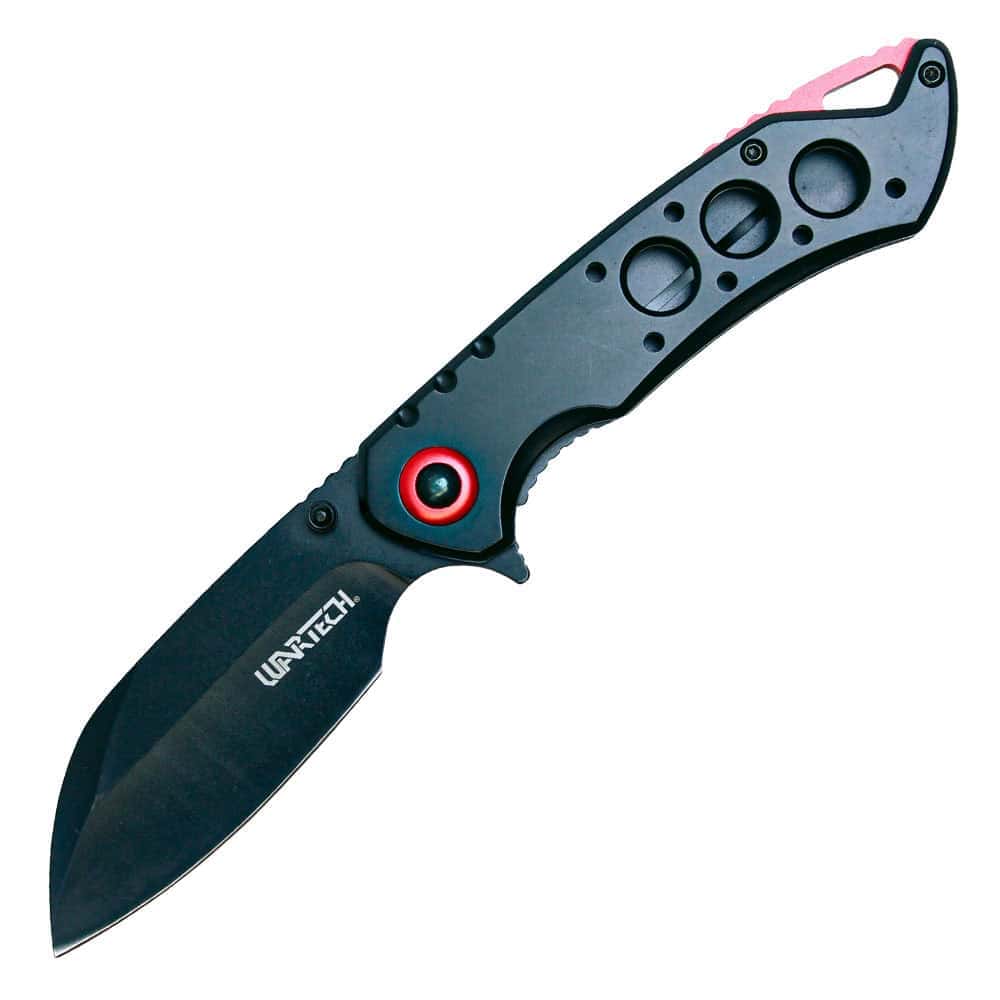
Assisted Open Folding Pocket Knife with Accent Handle
Price: $15.60
Spring-assisted opening is a middle ground between a manual folder and a fully automatic knife—legal in more places than automatics and still faster to deploy one-handed than a traditional folding blade. The belt and visor clip gives you real carry flexibility, and the 3.25-inch blade keeps it within legal limits in most jurisdictions. A practical starting point for everyday carry.
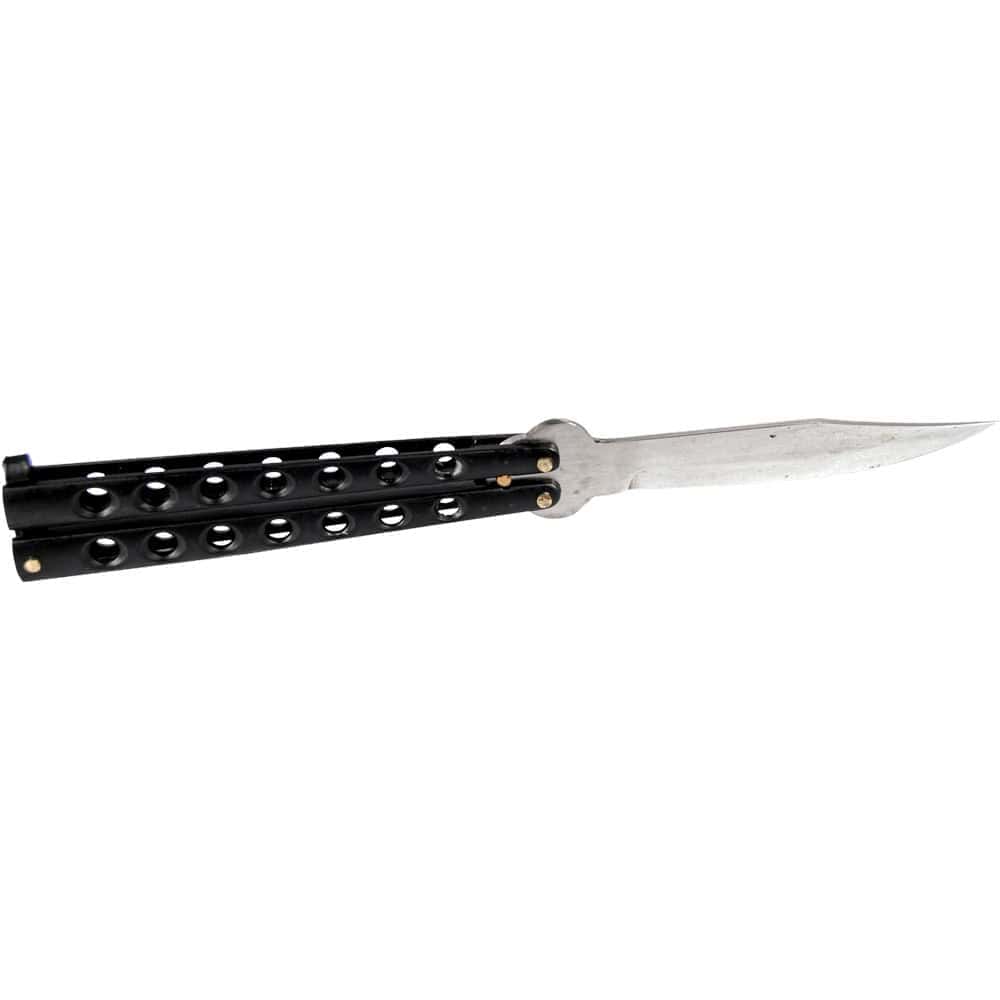
Stainless Steel Butterfly Knife – 9-Inch Overall Length
Price: $12.71
A butterfly knife—also called a balisong—requires practice to open quickly, but the balanced design and latch lock make it a distinctive carry choice for someone already familiar with the mechanics. At 9 inches overall with a 4-inch blade, it's not a subtle tool, and it's restricted or banned outright in several states. Worth considering only if you've done your homework on local laws and have put in the handling time.
What to Look for in a Self-Defense Knife
Deployment speed matters more than blade length in most real-world situations. A knife you can open with one hand—whether through an automatic mechanism, spring-assist, or practiced manual technique—is more useful than a longer blade that requires two hands and deliberate attention. Think about what you're realistically carrying and how you'd actually access it under stress.
Blade length is also a legal variable, not just a practical one. Many states and municipalities cap legal carry at blades between 2.5 and 4 inches. Most of the knives on this page fall within that range, but you should verify what's permitted where you live before you carry anything. This is not a category where assumptions are a good idea.
Handle grip and lock mechanism are worth thinking about too. A knife that closes unexpectedly under pressure isn't a safe tool. Look for a design with a solid locking mechanism—liner lock, frame lock, or a dedicated safety—and a handle shape that gives you a secure grip even if conditions aren't ideal. You can browse the full selection at our knives category page to compare options across different styles and price points.
Frequently Asked Questions
Is carrying a knife for self defense legal?
It depends entirely on where you live. Most states allow folding knives under a certain blade length—commonly 3 to 4 inches—carried in a pocket or on a belt. Automatic knives, butterfly knives, and fixed-blade knives are subject to stricter rules and in some cases outright bans. Check your state and local laws before purchasing or carrying any knife for self defense. When in doubt, consult a local attorney.
What's the difference between an automatic knife and a spring-assisted knife?
An automatic knife opens with a button or switch that releases a spring to deploy the blade hands-free. A spring-assisted knife requires you to start the opening motion manually—usually with a thumb stud or flipper—before the spring takes over to complete the deployment. Both open faster than a traditional manual folder, but they're treated differently under the law in many states. Automatics are often more restricted.
Do I need training to carry a knife for self defense?
You don't need formal training to carry a knife legally, but it's worth being honest with yourself about your familiarity with the tool. A knife you haven't practiced opening under pressure is less useful than one you have. At minimum, spend time with any knife you intend to carry so you understand its deployment, its lock, and how it feels in hand before you ever need it for anything serious.
How does a self-defense knife compare to other non-lethal options?
Unlike pepper spray or a stun gun, a knife is not classified as a non-lethal tool—it's a potentially lethal one, which carries significantly more legal and personal responsibility. Many people carry a knife as a utility tool first and a last-resort option second. If your primary goal is personal safety without lethal force, options like pepper spray, personal alarms, or stun devices are worth considering alongside or instead of a blade.
Are butterfly knives legal to carry?
Butterfly knives—also called balisongs—are banned or heavily restricted in a number of U.S. states, including California, Hawaii, New York, and others. Even in states where they're technically legal, local ordinances may apply. If you're considering one, research your specific state and city laws carefully before purchasing. The butterfly knife on this page is sold as a collector and practice item; legality for carry is the buyer's responsibility to verify.
Ready to Choose the Right Knife?
If you've read this far, you're approaching this thoughtfully—which is the right way to do it. Whether you're drawn to the fast deployment of an OTF automatic knife or the accessibility of a spring-assisted folder, the best choice is the one that fits your carry habits, your skill level, and your local laws. Browse the full selection in our knives category to find the right fit.