
Door and Window Alarms for Dementia Patients
Door and window alarms give caregivers an audible alert the moment a door or window is opened — which matters when someone with dementia may wander without warning. The best options for this situation are simple to install, require no wiring, and go off immediately without any delay. Most cost less than $20 and run on standard batteries.
When Someone You Love Doesn't Always Know Not to Walk Out the Door
Wandering is one of the most difficult parts of caring for someone with dementia. It doesn't always happen at predictable times, and it doesn't announce itself. A person can be sitting in the living room one moment and out the front door the next — quietly, quickly, and without any indication that something was about to happen.
Door and window alarms don't prevent wandering. What they do is close the gap between the moment a door opens and the moment a caregiver knows about it. For families managing this at home, or for group care settings where one staff member is watching multiple residents, that few seconds of notice can make a significant difference. These are simple, low-cost tools — not a complete safety system — but they serve a very specific and practical function.
Top Door and Window Alarms for Dementia Patients
Magnetic Door and Window Alarm 90dB — 2-Pack

Price: $13
A straightforward magnetic sensor alarm that sounds the moment the door or window is separated from its mount. The two-pack means you can cover a front door and a back door — or a door and a sliding glass door — without buying two separate units. Adhesive mount installation takes minutes, no tools required.
Portable Door Guard 98dB Alarm with Flashlight
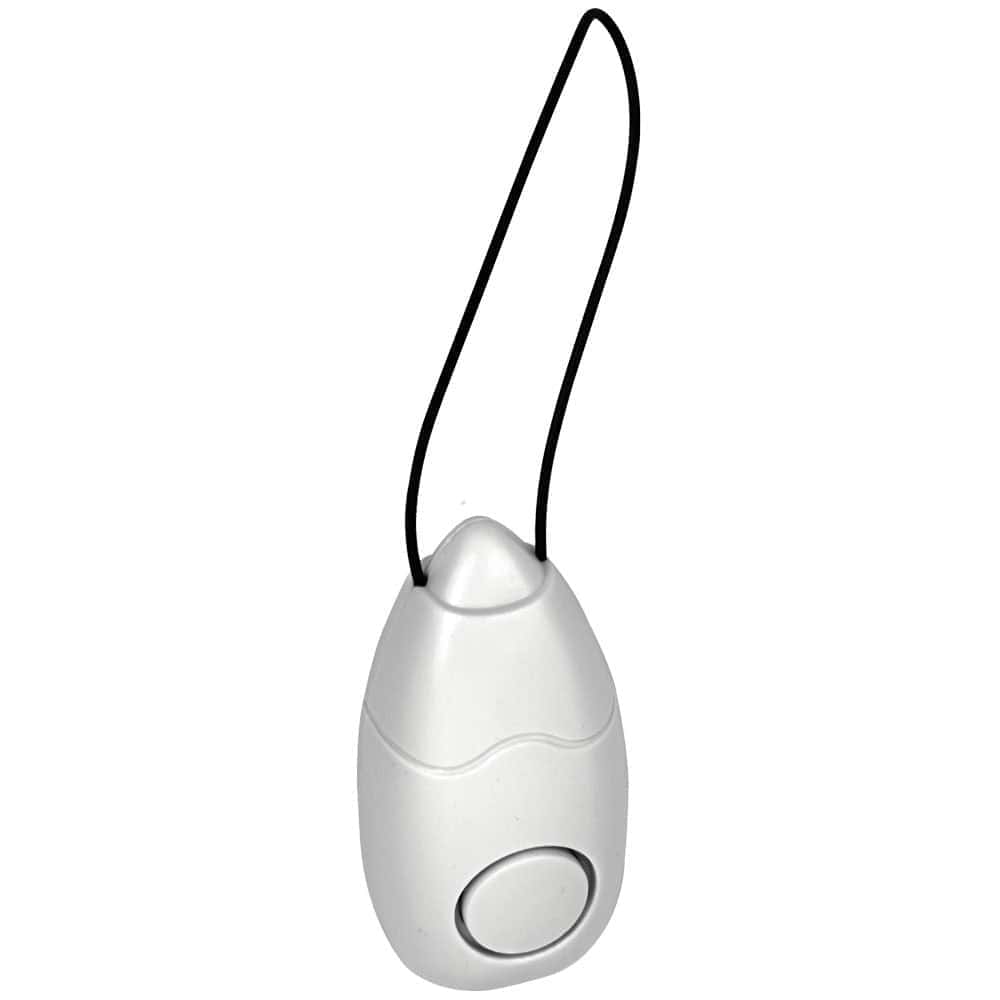
Price: $9
This hangs directly on a doorknob or window latch — no adhesive, no installation. It triggers on vibration, so any meaningful movement of the door sets it off. At $9, it's a practical option for adding coverage to a bedroom door or a door that's harder to mount a traditional sensor on. The built-in LED is a useful bonus for nighttime checks.
Glass Break Alarm 100dB — 2-Pack
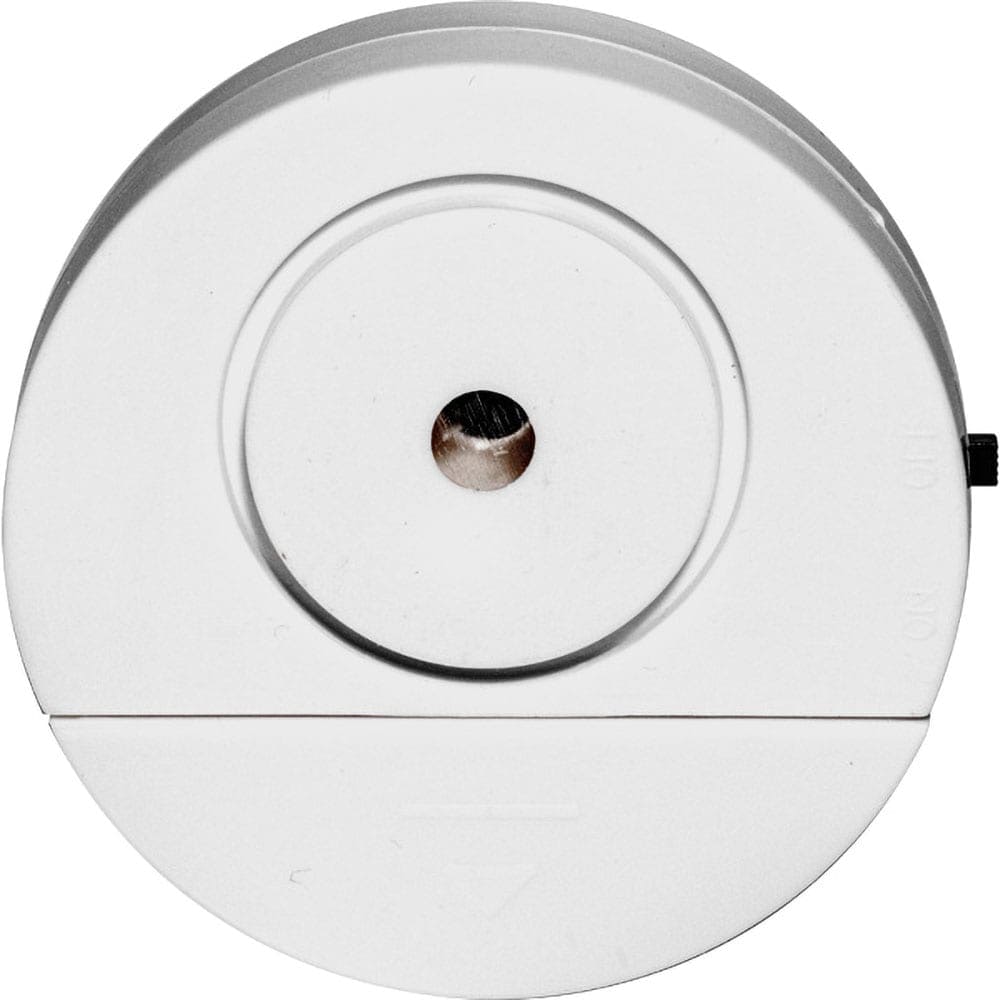
Price: $15
Peel-and-stick vibration sensors that mount directly to window glass and sound at 100dB if the glass is struck or moved. In a dementia care context, these work well on windows that a person might attempt to open or push against. The auto-reset after 30 seconds means you don't need to manually reset the alarm after each incident.
Door Stop Alarm — 120dB
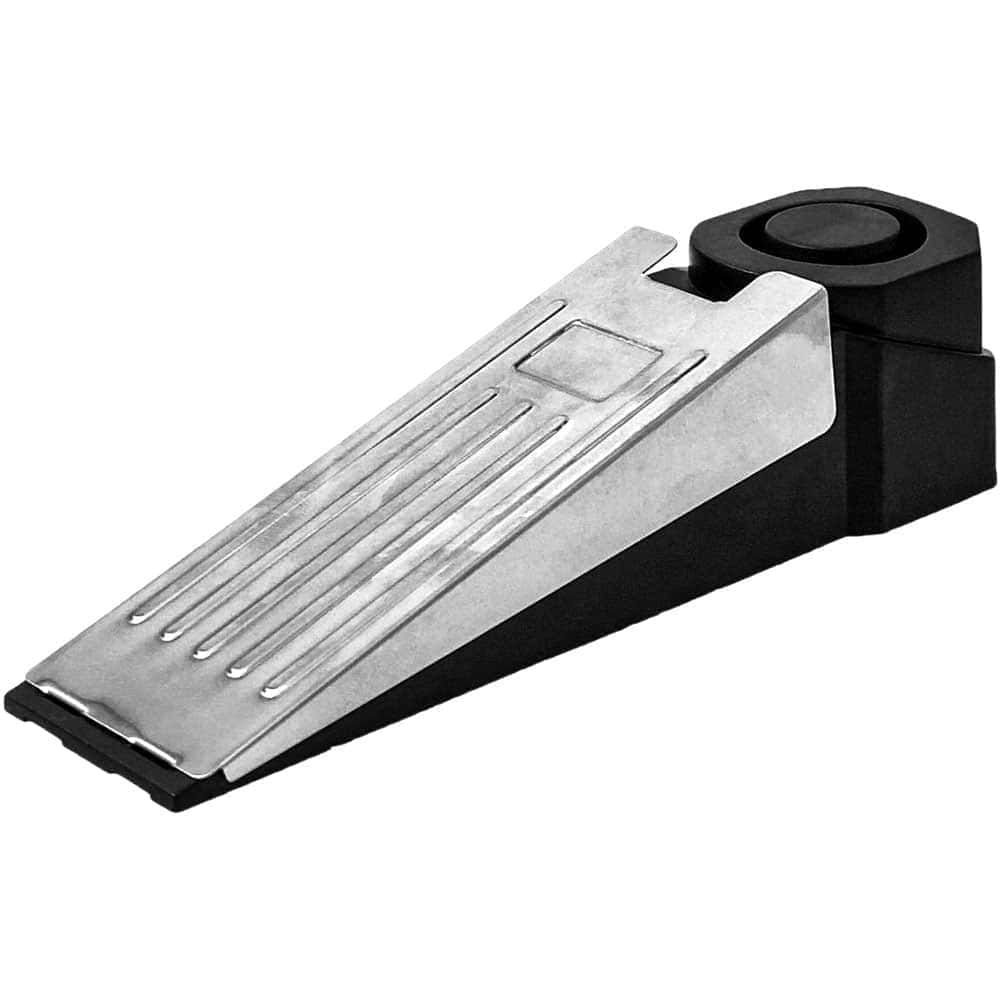
Price: $7.95
This wedges under any inward-opening door and sounds at 120dB if the door is pushed open. It adds a physical layer of resistance in addition to the alarm — the door won't open easily, which provides a brief delay on top of the alert. Useful for exterior doors or a bedroom door where you want both the alarm and a moment of resistance.
What to Look for in a Door Alarm for a Dementia Care Situation
The main thing that matters here is immediacy. The alarm needs to go off the moment the door moves — not after a delay, not after a code isn't entered. Standard home security systems often include entry delays by design, so a door can be opened for several seconds before any sound is made. That's useful for a homeowner who needs time to disarm the system; it's counterproductive when the goal is to know the instant someone exits.
Installation simplicity also matters. Many caregivers — whether family members at home or staff in a care facility — aren't in a position to drill into door frames or run wiring. Every product on this page mounts with adhesive, hangs on a knob, or simply sits on the floor under the door. None require tools or a technician. This also means they can be repositioned as needs change or as the person moves between rooms or environments.
Volume is worth thinking about as well. If a caregiver is in another part of the house, or sleeping, or occupied with another resident, a quiet chime won't help. The alarms here range from 90dB to 120dB — loud enough to be heard clearly from another room. Some situations call for multiple units covering several entry points. At these price points, covering a whole home or a small care unit is manageable. Browse the full door and window alarm collection for additional options.
Frequently Asked Questions
Will these alarms confuse or frighten someone with dementia?
It's a fair concern. A 100dB+ alarm is startling for anyone. The practical trade-off is that the alarm is directed at the caregiver, not the person with dementia — but both will hear it. Some families opt for a lower-volume chime in certain situations; others accept the noise as a necessary alert. Only you can weigh that for your specific situation and the person you're caring for.
Do these work on sliding glass doors?
Yes. The magnetic sensor 2-pack is specifically noted as compatible with sliding glass doors. The adhesive mount attaches to the door and frame, and the magnetic connection breaks when the door slides open. The glass break sensor also works on sliding door glass panels if vibration detection is preferred.
How hard are these to install?
None of these require tools or wiring. The magnetic sensors and glass break alarms use peel-and-stick adhesive. The portable door guard hangs directly on the doorknob. The door stop alarm is placed on the floor and wedged under the door. Most can be set up in under five minutes and repositioned without damage to the door or frame.
Are there any legal considerations for using door alarms in a care facility?
Regulations around door alarms in licensed care facilities vary by state and facility type. Some states have specific rules about alarming exit doors in memory care units, and fire code requirements can apply. If you're implementing these in a licensed residential care setting, it's worth checking with your state's licensing agency or a compliance advisor before installation. For private home use, there are generally no legal restrictions.
How long do the batteries last?
Battery life varies by product and how frequently the alarm triggers. These are passive devices — they draw very little power while in standby mode. Most users report several months to a year of battery life under normal conditions. The door stop alarm includes a low battery indicator, which takes some of the guesswork out of maintenance. It's reasonable to check batteries every few months as part of a routine.
A Practical Option Worth Considering
These aren't a replacement for attentive care, but they do fill a specific gap — the moment a door moves and no one was watching. The magnetic sensor 2-pack is a solid starting point for most homes, and building from there with additional units is straightforward. If you want to see everything available, the full door and window alarm category has all current options in one place.