
Door and Window Alarms for Sleepwalkers
Quick Answer: Door and window alarms for sleepwalkers work by sounding an audible alert the moment a door, window, or floor mat is disturbed — giving a family member time to intervene before someone wanders outside. Vibration-triggered door alarms and pressure-sensitive door stop alarms are the two most practical options for this use case, since they don't require the sleepwalker to do anything except open the door.
Trying to Sleep Without Worrying About the Front Door?
If someone in your household sleepwalks, you already know the specific kind of tired that comes with it. It's not just disrupted sleep — it's the low-grade vigilance that never fully switches off, even after the episode has passed.
Most families in this situation aren't looking for anything complicated. They want a way to know, immediately, if a door or window has been opened during the night. That's really the whole job these alarms need to do.
Top Door and Window Alarms for Sleepwalkers
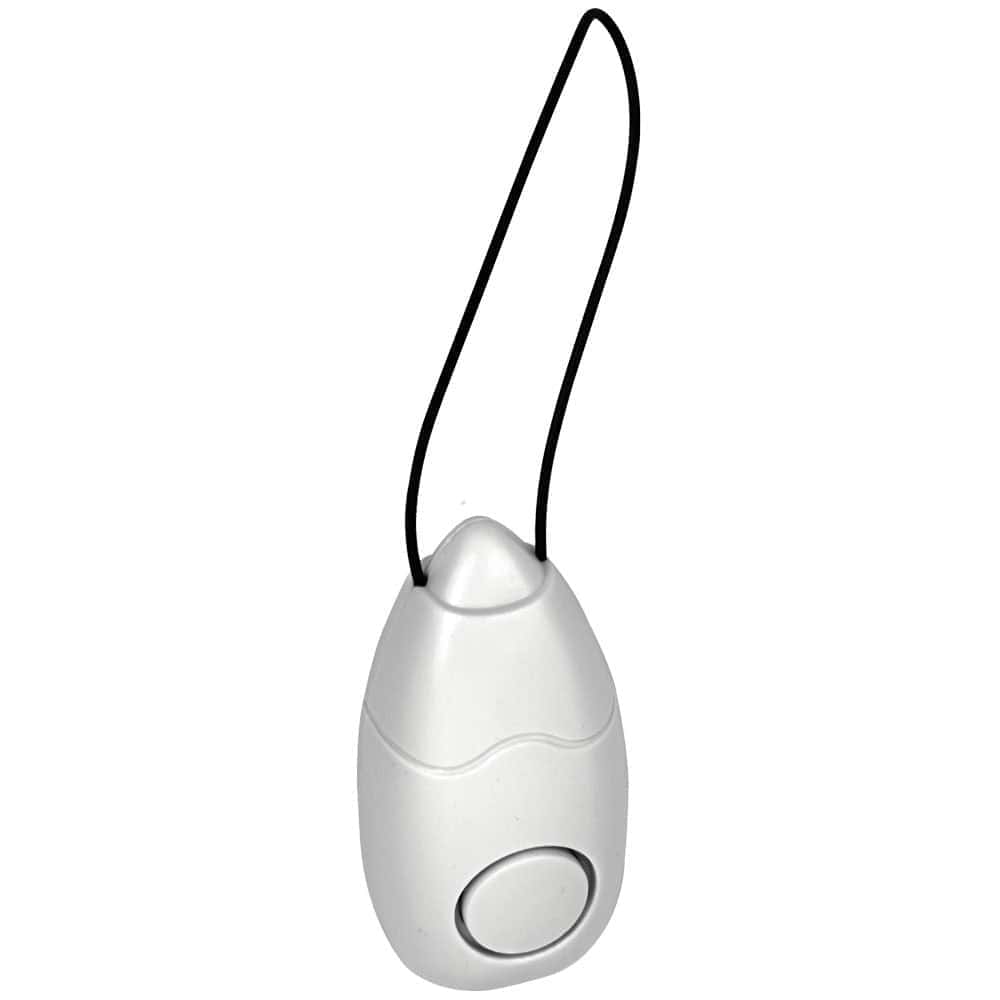
Portable Door Guard Alarm 98dB
Price: $9
This one hangs directly on the doorknob and sounds off the moment the door moves — no setup beyond hanging it. The built-in LED flashlight is a practical bonus if you need to check on someone in the dark without fumbling for a light switch.
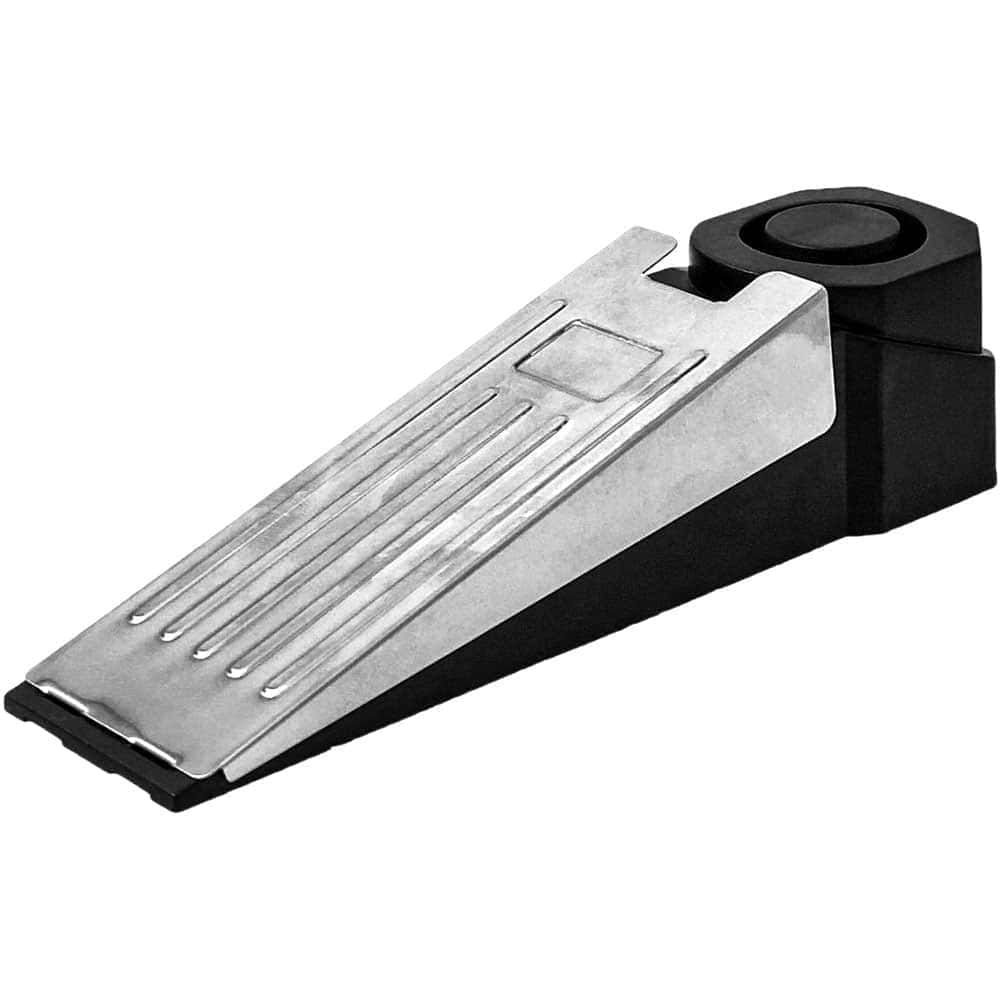
Door Stop Alarm 120dB
Price: $7.95
This wedges under the door itself, so it doubles as a physical slow-down and an alarm. If a sleepwalker pushes on the door, the movement sensor triggers before the door can open enough to pass through.
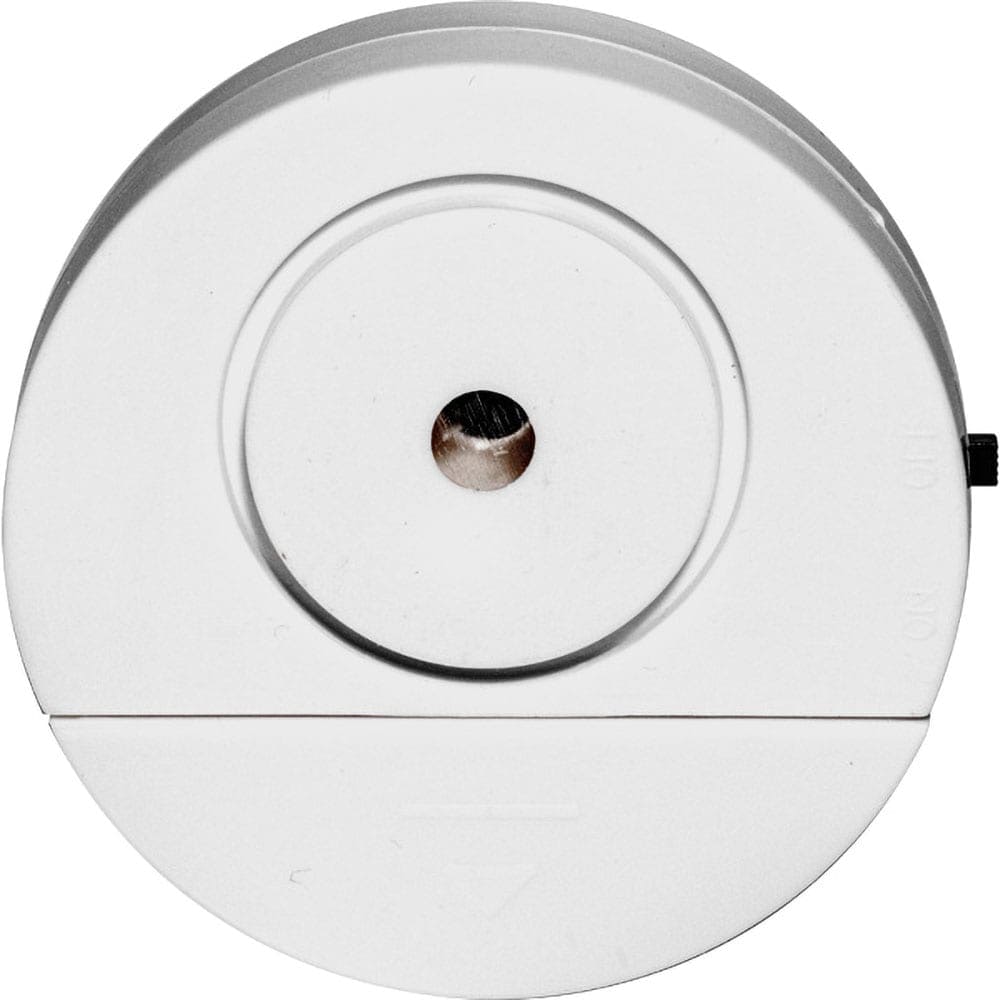
Glass Break Alarm 100dB (2-Pack)
Price: $15
Useful for households where the sleepwalker has, in the past, gone toward a window instead of a door. The adhesive mount means you can place one on any window in the bedroom or hallway without hardware.
Electronic Barking Dog Alarm 120dB

Price: $79.95
This one's a different approach — it's placed centrally and detects motion anywhere in a hallway or common area, through walls, up to 50 feet. For a larger home, or a sleepwalker who tends to wander through multiple rooms before reaching a door, this covers ground the smaller alarms can't.
What to Look For in a Door and Window Alarm for a Sleepwalker
The first thing to consider is placement versus coverage. A door alarm on a doorknob only tells you about that one door. If your sleepwalker has wandered through more than one exit point before, a motion-based alarm that covers a hallway or living area may make more sense as a second layer.
Second, think about how loud is loud enough. Sleepwalking episodes happen during deep sleep, and the person nearby (usually a parent or spouse) also needs to wake up. Alarms in the 98–120dB range are built to cut through that.
Third, consider battery reliability. These alarms only work if they're armed and functioning every single night. Look for one with a clear low-battery indicator, and get in the habit of checking it on a set schedule — not just when you remember. You can compare the full range of options on our door and window alarms page.
Finally, think about false alarms. A door alarm triggered by pets or a draft loses trust fast, and a tired household will start ignoring it. Vibration and movement sensors with adjustable sensitivity tend to hold up better over time than basic contact sensors.
Frequently Asked Questions
Will a door alarm actually wake me up if I'm a heavy sleeper?
Most models in this category are rated between 98 and 120 decibels, which is roughly comparable to a smoke detector or louder. For most people, that's enough to break through sleep, though placement matters — an alarm two rooms away with the door closed won't be as effective as one closer to where you sleep.
Can these alarms be set up without tools or installation?
Yes. The door guard and door stop alarms are designed to hang or wedge into place with no drilling or adhesive required. The glass break alarm uses a peel-and-stick mount. All of them are meant to be usable the same night you receive them.
Is it legal to use a home alarm like this on a shared bedroom door?
Yes, these are personal safety devices intended for use inside your own home, and there are no license or permit requirements to use them. If you're monitoring a family member, it's worth having an open conversation with them about it when appropriate, since these alarms are meant for safety rather than surveillance.
What's the difference between a door alarm and a door stop alarm?
A standard door alarm hangs on the knob or frame and triggers on vibration when the door moves. A door stop alarm physically wedges under the door itself, adding a small amount of resistance in addition to sounding an alert — useful if you want a brief physical delay along with the sound.
Do I need more than one alarm for a sleepwalker in my house?
It depends on the layout of your home and the sleepwalker's typical patterns. If they've only ever gone toward one specific door, a single alarm there may be enough. If they've wandered through multiple rooms or toward windows, layering a door alarm with a motion-based option gives broader coverage.
Making the Decision
None of these alarms can predict when an episode will happen — what they can do is make sure you're not the last to know. The Portable Door Guard Alarm is a reasonable starting point for most bedrooms, and you can browse the full lineup on the door and window alarms category page if your home needs broader coverage.