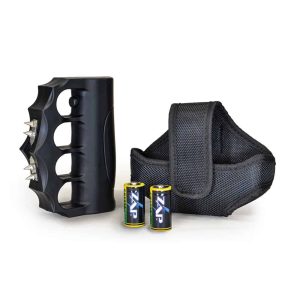
How Stun Guns Are Typically Used
Most people who carry a stun gun keep it in a bag, on a keychain, or near a bedside. The point is proximity — a stun gun only works on contact, so it needs to be within reach. Common use cases include walking to and from a vehicle at night, commuting alone, or keeping something accessible at home that isn't a firearm. It's a close-range tool, not a deterrent from a distance.
Understanding the Differences Between Stun Gun Types
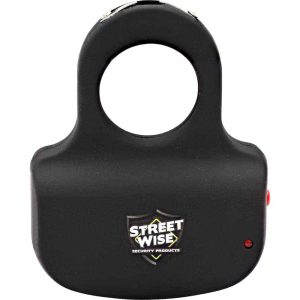
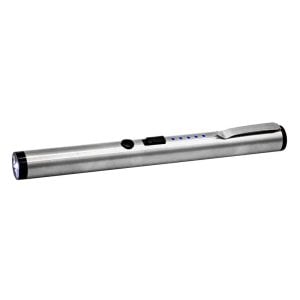
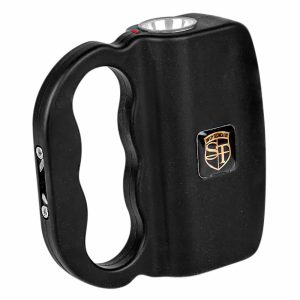
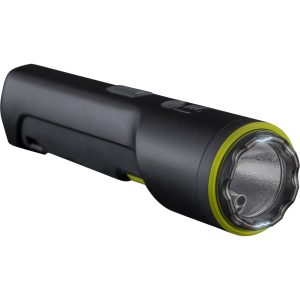
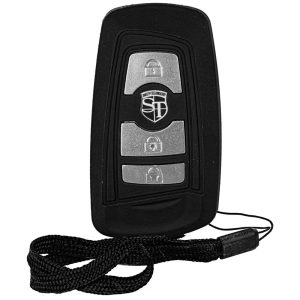
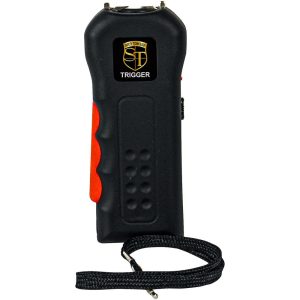
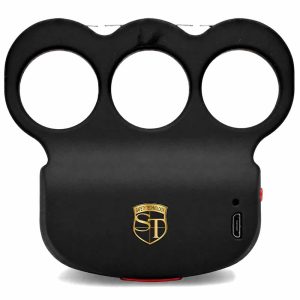
Not all stun guns are the same size or shape, and that matters depending on how you plan to carry it. Compact stun guns and keychain models prioritize portability over grip and reach. Flashlight and baton styles are larger but easier to hold firmly and harder to miss in the dark. Disguised stun guns look like ordinary objects — a phone case, a lipstick tube — which suits people who prefer something discreet. Voltage figures vary between models, but build quality and reliable contact matter more than raw numbers.
What to Consider Before Buying a Stun Gun
Stun guns are legal in most U.S. states, but some states and municipalities restrict them or require a permit. It's worth checking local laws before purchasing. Beyond legality, think about how you'll actually carry it — a unit that's inconvenient to access probably won't be useful. Rechargeable models are more practical long-term than those requiring replacement batteries. Most of the stun guns in this category come with a warranty and have been tested for consistent discharge.
Frequently Asked Questions About Stun Guns
- Are stun guns legal to carry?
- Stun guns are legal in most U.S. states, but restrictions vary. Some states require a permit, some prohibit them in certain locations, and a few restrict them entirely. Always verify the laws in your state and city before purchasing or carrying a stun gun.
- How do stun guns work?
- A stun gun delivers an electrical charge on direct contact with a person. That charge temporarily interferes with the body's muscle signals, causing disorientation and loss of muscle control for a short period. The effect is temporary and does not cause permanent injury under normal circumstances.
- Do I need training to use a stun gun?
- Stun guns are designed to be simple to operate without formal training. Most models have a safety switch and a single activation button. That said, familiarizing yourself with your specific model — how it feels, where the controls are — before you need it is always a practical idea.
- What's the difference between a stun gun and a TASER?
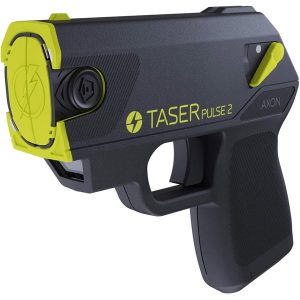
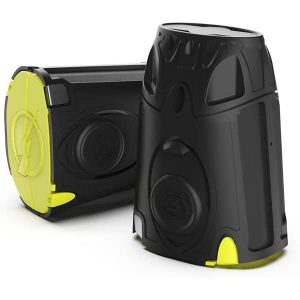
- A stun gun requires direct physical contact to work. A TASER is a separate device that fires probes on wires and can affect a person from a distance. They operate on different principles and are sold separately. Both are non-lethal options, but they suit different situations.
- How long does a stun gun charge last?
- Most rechargeable stun guns hold a charge for several months of standby use. Frequency of testing or discharge will deplete the battery faster. Plugging it in periodically — similar to how you'd charge a flashlight — keeps it ready.
- Can a stun gun be used as a deterrent without firing it?
- Many people find the sight and sound of an active stun gun — the visible arc and crackling noise — enough to discourage a confrontation. That said, it should not be counted on as a guaranteed deterrent. It's a close-contact tool first.
Related Categories and Guides