
129dB Air Horn – Compact, Coast Guard Compliant
Original price was: $14.95.$12.71Current price is: $12.71.
Buy with Confidence
Covered by a 30-Day Money Back Guarantee. If it's not right for you, returns are easy and hassle-free.

Secure checkout • 100% Satisfaction Guaranteed • 30 Day Money Back Guarantee • Easy Returns • Fast Customer Support
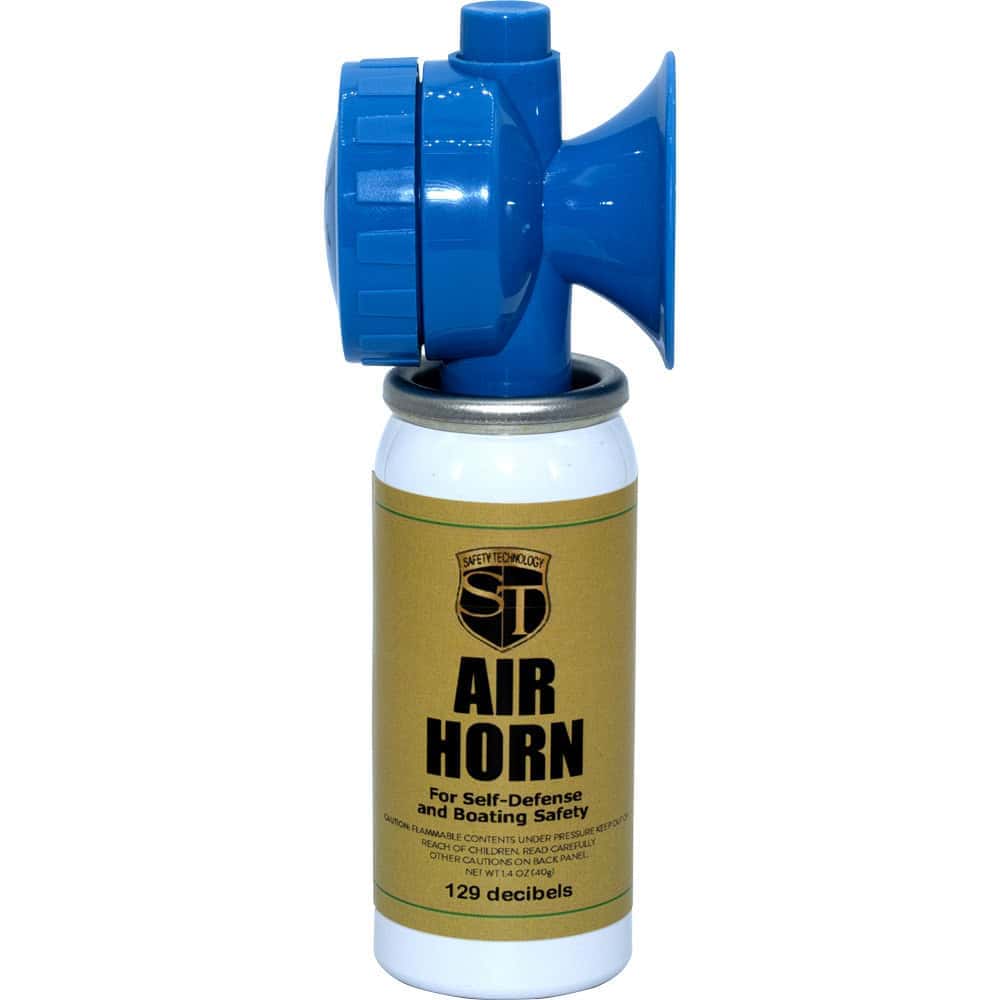
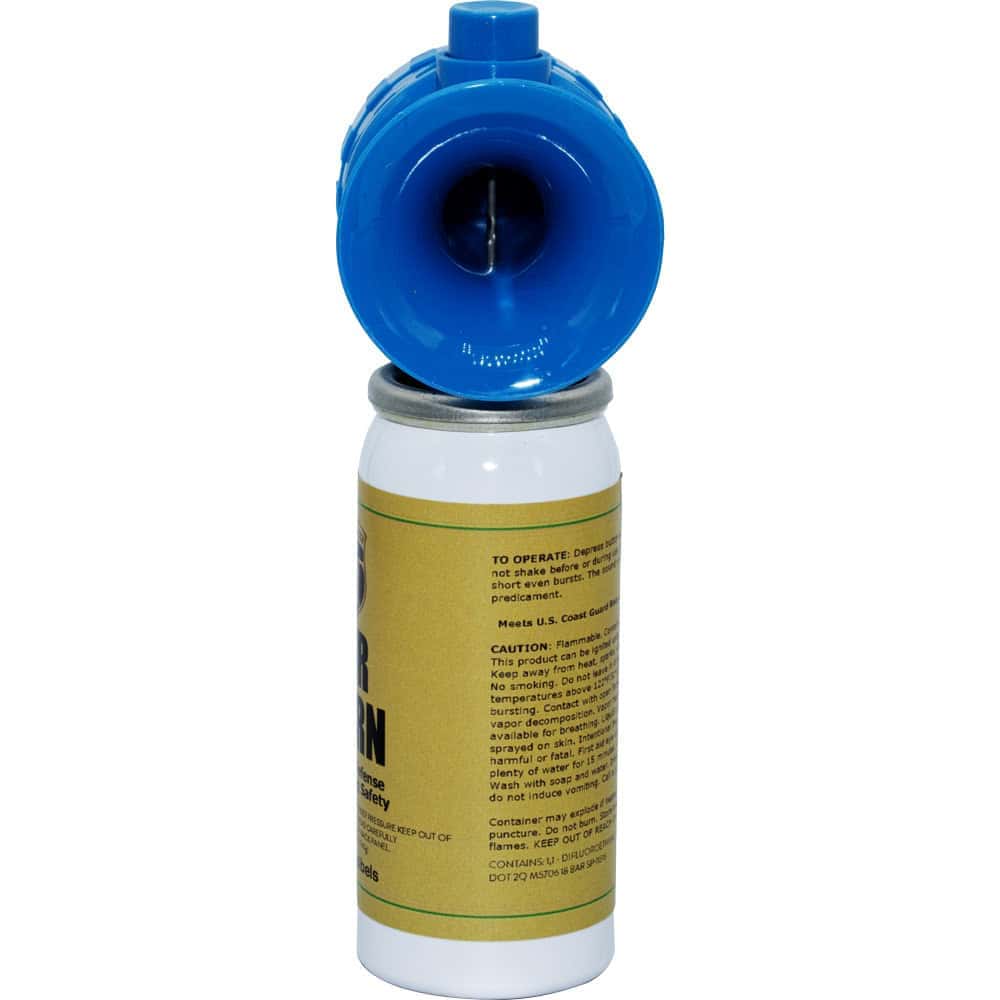
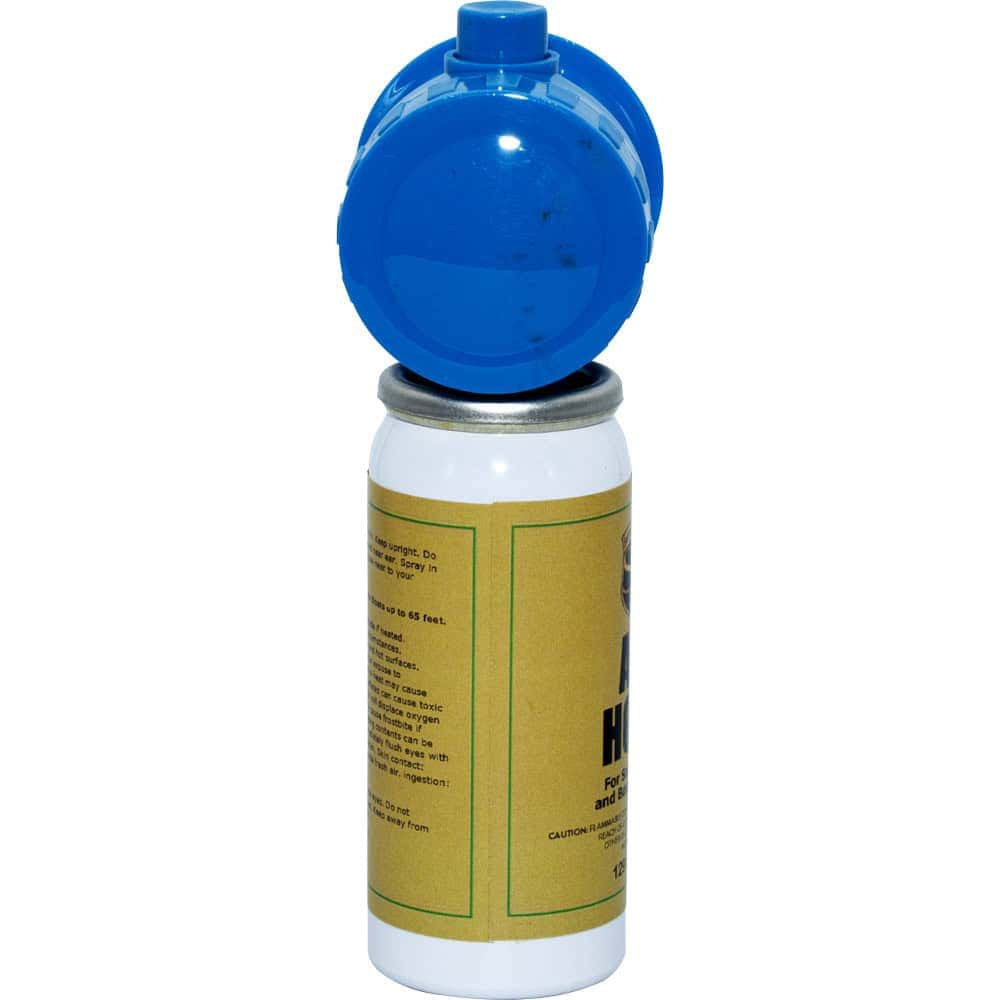
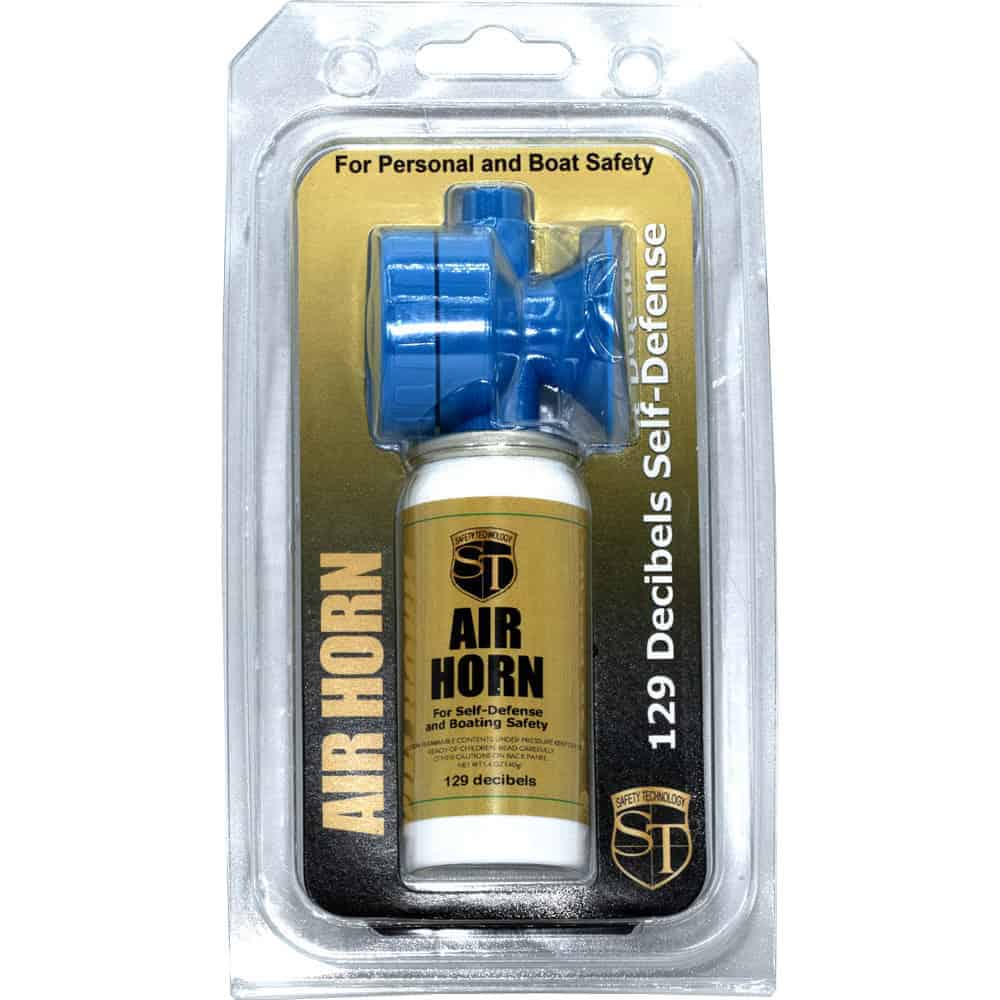
The 129dB Air Horn is a compact, battery-free signal horn that meets US Coast Guard requirements for vessels up to 65 feet and doubles as a wildlife deterrent and personal safety device for outdoor use.
Most personal safety tools require some level of contact, aim, or practice. This one doesn’t. At 129 decibels, the 129dB Air Horn produces a sound loud enough to be heard across open water, through dense brush, or in a crowded parking structure—instantly, with no batteries, no charging, and no learning curve. It was built to meet a specific marine compliance standard, and that same design makes it practical well beyond the water.
Who This Air Horn Is For
Boaters who need a Coast Guard-compliant signal device for vessels up to 65 feet will find this meets that requirement directly. But it’s also well-suited for hikers and backpackers who want a compact wildlife deterrent, runners or walkers who want a non-contact way to draw attention in an uncertain moment, and coaches or event staff who need a reliable, loud signal in the field. If you spend time outdoors or on the water and want something that works the instant you need it, this is worth considering.
Is It the Right Fit for You?
Choose It If You Want
- A US Coast Guard-compliant marine signal horn for boats up to 65 feet
- A loud, battery-free device that works the moment you press it
- A compact tool that fits in a bag, vest pocket, or boat storage compartment
- A wildlife deterrent that requires no aim and no contact
Consider Another Option If You Need
- A reusable electronic alarm with continuous or sustained sound output—this is a canister-based horn with a finite number of bursts
- A self-defense tool with physical stopping capability—this produces sound only
- A device you can test repeatedly without reducing its usable life
129dB Air Horn Features and Benefits
- 129-decibel output: Loud enough to be heard at significant distance and to startle wildlife or draw bystander attention immediately
- US Coast Guard compliant: Meets marine signal requirements for vessels up to 65 feet—not a marketing claim, a compliance standard
- No batteries or charging required: Canister-based design works instantly without any power source or preparation
- Compact 5 1/8″ x 1 3/4″ form factor: Small enough to carry in hand, stow in a boat compartment, or drop in a daypack
- Lightweight at 0.3 lbs: Light enough that carrying it isn’t a consideration—it just goes where you go
- Dual-use design: Functions as a marine signal horn and a land-based safety or wildlife deterrent without modification
- No aim or contact needed: Point it away from people and press—the sound does the work
How the 129dB Air Horn Compares
Here’s how this air horn lines up against two common alternatives shoppers consider.
| Feature | 129dB Air Horn | Electronic Personal Alarm | Safety Whistle |
|---|---|---|---|
| Sound output | 129 dB | Varies by model | Lower; effort-dependent |
| Power source | None—canister powered | Battery or rechargeable | None—breath powered |
| Marine compliance | US Coast Guard compliant | Not applicable | Not compliant |
| Size and carry | 5 1/8″; hand or bag carry | Compact; keychain or clip | Very small; keychain |
| Best for | Marine, outdoor, wildlife deterrence | Personal safety, everyday carry | Hiking, budget backup |
Care and What’s Included
What’s in the Box
The package includes the 129dB Air Horn canister unit, ready to use. No assembly or setup is required.
Care and Handling
Store the canister away from direct heat and out of enclosed vehicles in warm climates, as pressure canisters are sensitive to high temperatures. Avoid puncturing or incinerating the canister. Because each use depletes the canister, reserve testing for situations where you genuinely need to confirm function. When the canister is empty, dispose of it according to your local aerosol recycling guidelines.
129dB Air Horn: Frequently Asked Questions
How loud is the 129dB Air Horn, and how far can it be heard?
The 129dB Air Horn produces a 129-decibel output. The listed effective range is 65 feet, though open environments like water or flat terrain may carry the sound farther. Ambient noise, wind, and surroundings all affect real-world range. For comparison, 129 decibels is louder than most power tools and noticeably louder than a standard car horn.
Is the 129dB Air Horn actually Coast Guard compliant?
Yes. It meets US Coast Guard requirements for audible signaling devices on recreational vessels up to 65 feet in length. If you’re boating and want to stay compliant with federal marine safety regulations, this qualifies. It’s worth verifying current regulations for your specific vessel type, as requirements can be updated.
How many times can you use the 129dB Air Horn before it runs out?
The canister has a finite number of bursts. The exact count depends on the duration of each use—short bursts last longer than extended holds. It is not refillable. Because each use reduces the remaining capacity, it’s best treated as a safety tool rather than something to test repeatedly. Keep it sealed and ready until you actually need it.
Can this air horn be used to deter wildlife like bears or coyotes?
Loud, sudden sound is a commonly used deterrent for bears, coyotes, and other wildlife sensitive to noise. At 129 decibels, this air horn produces the kind of sharp, startling sound that encourages animals to move away. It’s used by trail workers, park rangers, and experienced hikers as one part of a broader wildlife awareness approach—not as a standalone guarantee, but as a practical first response.
Add This Air Horn to Your Kit
Whether you’re outfitting a boat, preparing a trail pack, or looking for a simple, no-maintenance safety tool, the 129dB Air Horn is straightforward to carry and ready when you need it. Select your quantity and add it to your cart above.
| Manufacturer | Safety Technology |
|---|---|
| Decibles | 129 db |
| Range | 65 feet |
| Weight | 0.3 lbs |
| Dimensions | 5 1/8" x 1 3/4" |
Additional information
Related products
- Sale!

Water Overflow Sensor Attachment – 27-Inch Cable
Original price was: $2.00.$1.70Current price is: $1.70. Add to cart - Sale!
3-in-1 Personal Alarm – 130dB, LED Flashlight, Multi-Mode
Original price was: $11.95.$10.16Current price is: $10.16. Add to cart - Sale!
Runt Stun Gun – 80M Volts, Rechargeable with Flashlight
Original price was: $20.00.$17.00Current price is: $17.00. Select options This product has multiple variants. The options may be chosen on the product page - Sale!
2-in-1 Personal and Door Alarm – 120dB, 9V Battery
Original price was: $10.95.$9.31Current price is: $9.31. Add to cart
Reviews
There are no reviews yet.