
Nap Alarm – 80dB Anti-Drowsiness Alert Device
Original price was: $9.95.$8.46Current price is: $8.46.
Buy with Confidence
Covered by a 30-Day Money Back Guarantee. If it's not right for you, returns are easy and hassle-free.

Secure checkout • 100% Satisfaction Guaranteed • 30 Day Money Back Guarantee • Easy Returns • Fast Customer Support
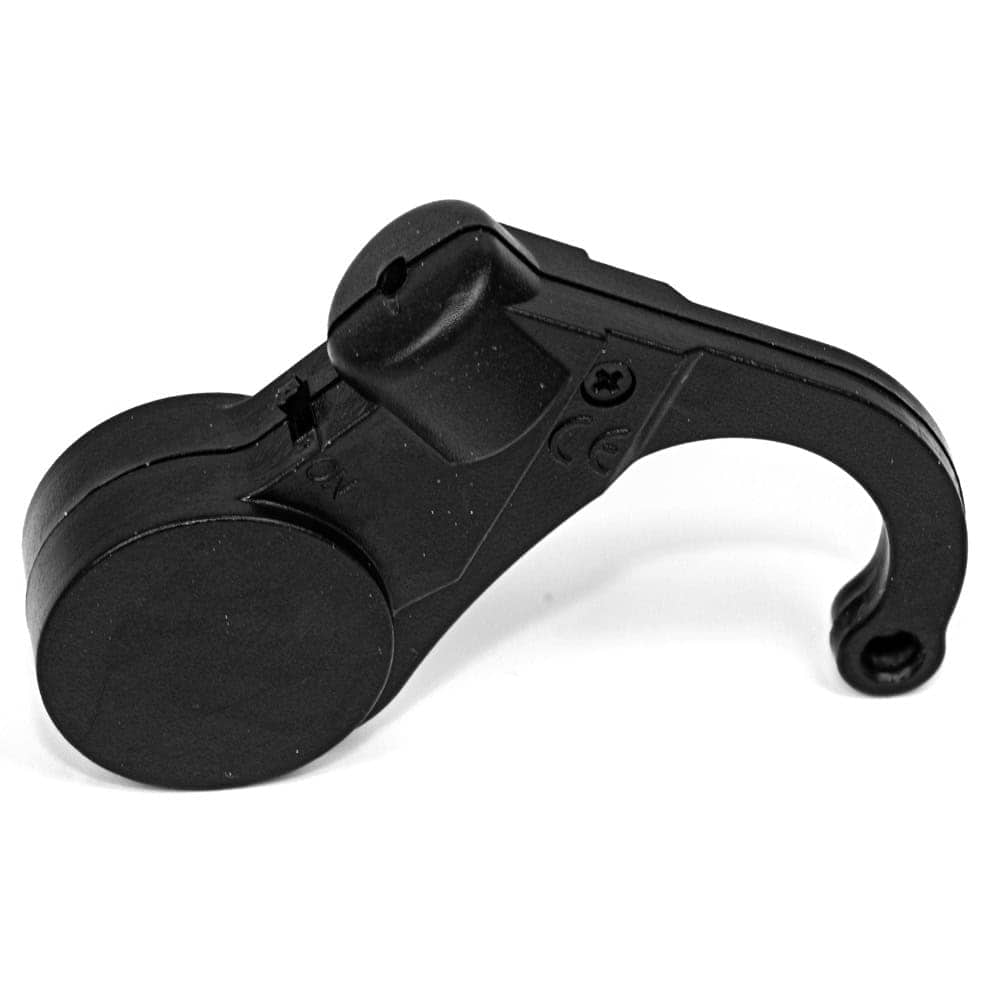
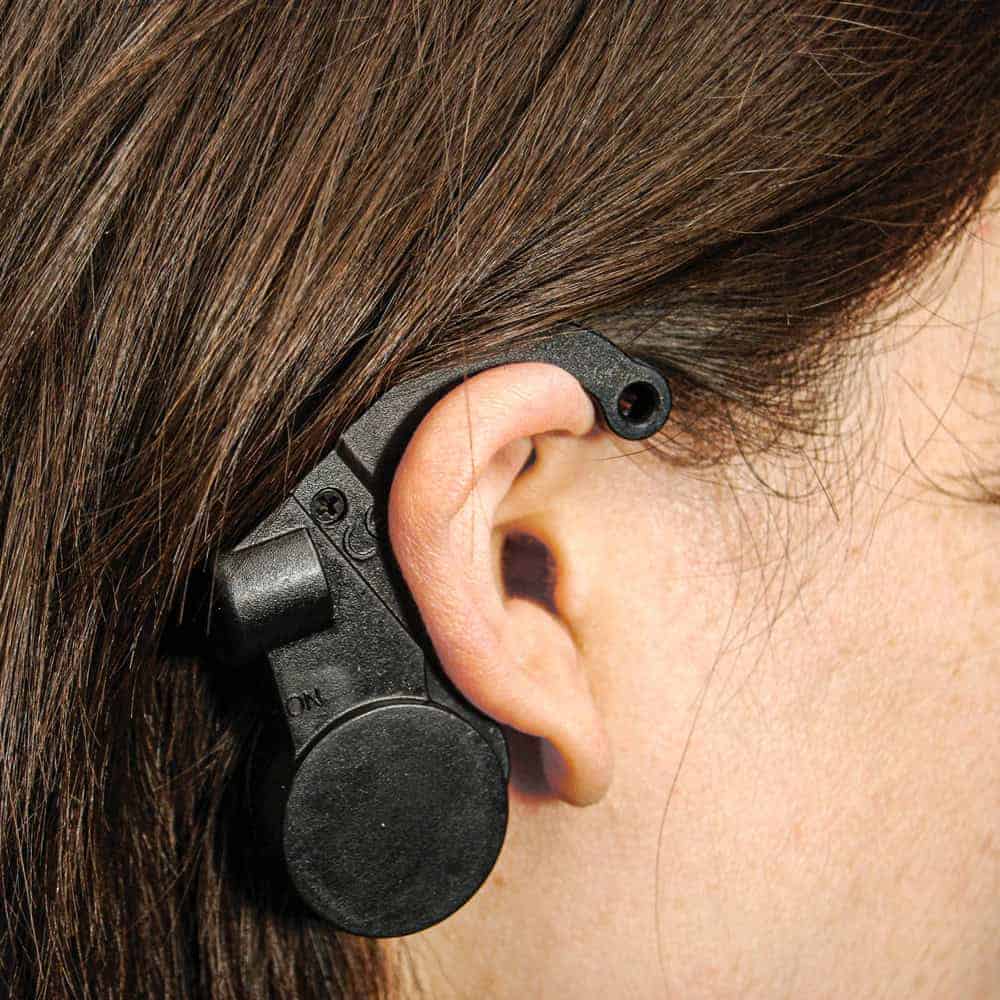
The Nap Alarm is a lightweight, over-ear drowsiness alert that hooks over your ear, detects forward head movement, and sounds an 80dB alarm before fatigue takes over — no app, no setup, batteries included.
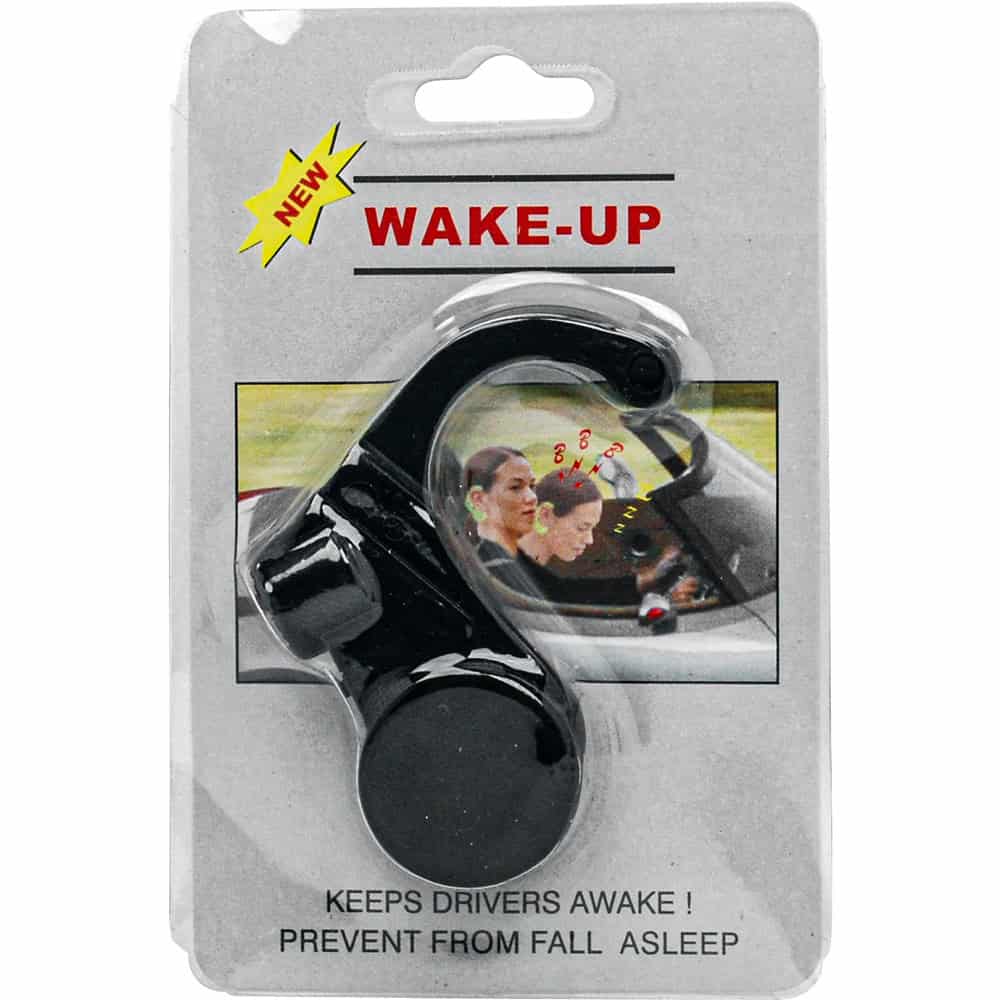
There’s a particular stretch of highway most drivers know — flat, straight, familiar — where the miles blur together and the eyelids get heavy before the brain registers the problem. By the time you notice you’re drifting, you’ve already drifted. The Nap Alarm is a small, over-ear device built around that gap: the moment between feeling fine and nodding off. It detects the forward head drop that signals the onset of sleep and responds with an 80dB alarm before anything worse follows.
Who This Alert Device Is For
Long-haul drivers and late-night commuters are the obvious fit, but this device gets used by overnight security guards, machine operators who need sustained focus around equipment, and students grinding through late study sessions. The common thread is any situation where a head dropping forward means something has gone wrong. It’s not for everyone — if you’re consistently running on insufficient sleep, no device substitutes for rest. But for people who need a reliable backup during long, monotonous tasks, it fills a specific gap.
Is It the Right Fit for You?
Choose It If You Want
- An immediate audible alert the moment your head nods forward
- A device that requires zero configuration — no app, no Bluetooth, no pairing
- Something lightweight enough to forget you’re wearing it during a long shift
- A ready-to-use option with batteries already included
Consider Another Option If You Need
- A system that monitors eye movement or blink rate rather than head position
- A device that integrates with your vehicle’s onboard alert systems
- An alert solution for situations where drowsiness doesn’t involve forward head movement
Nap Alarm Features and Benefits
- 80dB Position-Triggered Alarm: The electronic tilt sensor fires an 80dB tone the instant your head drops past a set threshold — loud enough to cut through road noise and rouse you immediately.
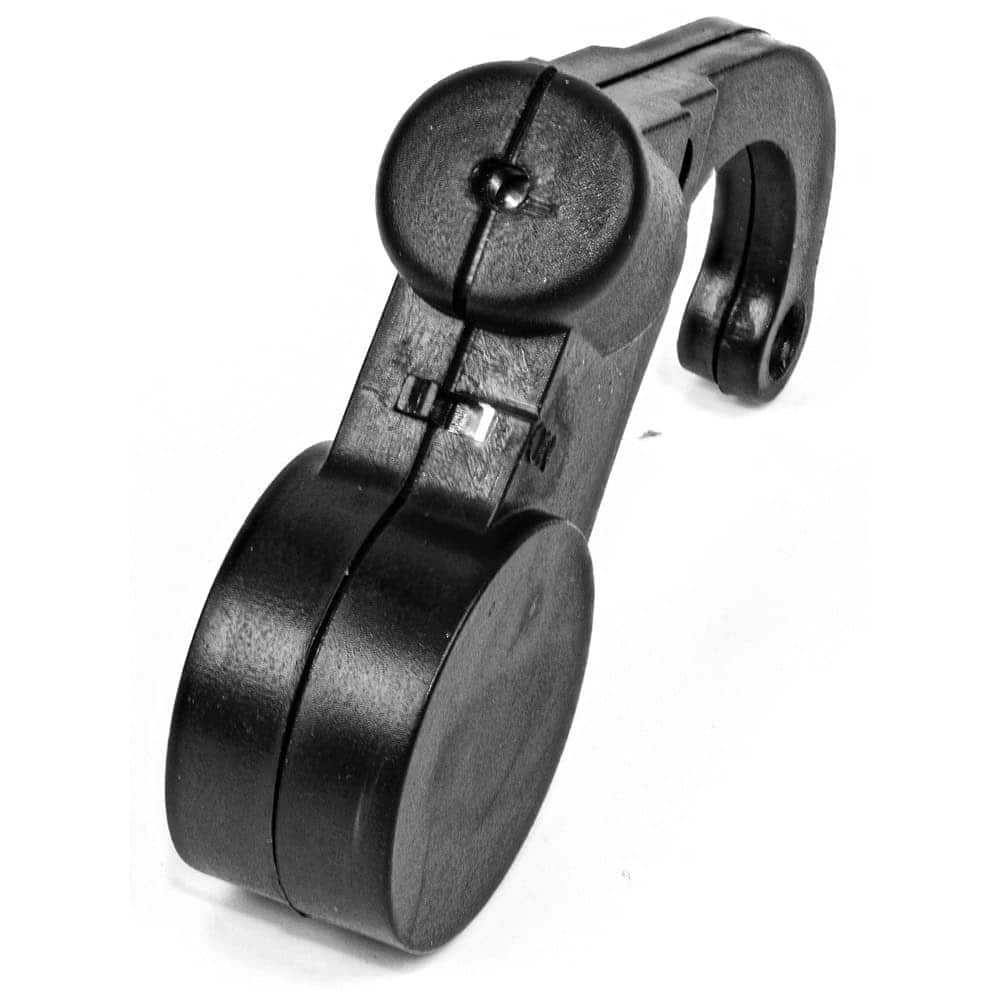
- Over-Ear Fit: Hooks over the ear like a lightweight headset. At 0.06 lbs and 1⅞” x 2¼” x ⅝”, it stays in place through hours of use without pressure or distraction.
- Electronic Position Sensor: Establishes a baseline when you put it on, then monitors for the forward tilt associated with head-nodding. No manual calibration required.
- No Setup Required: No app, no screen, no settings to configure. Hook it over your ear and it works.
- Batteries Included: Runs on three AG3 alkaline button cell batteries that come in the package, so there’s nothing to source before first use.
- Compact and Portable: Small enough to live in a glove box, desk drawer, or uniform pocket without taking up meaningful space.
- Black Finish: Low-profile appearance that doesn’t draw attention during use.
How the Nap Alarm Compares
The Nap Alarm occupies a specific niche. Here’s how it stacks up against two common alternatives.
| Feature | Nap Alarm | Rumble Strip (Road Feature) | Smartwatch Fatigue App |
|---|---|---|---|
| Alert Trigger | Forward head nod | Tire leaves lane | Heart rate or movement pattern |
| Response Speed | Immediate on head drop | Only after lane departure | Varies; may require prolonged data |
| Setup Required | None | None (infrastructure) | App install, pairing, configuration |
| Portability | Fits in a pocket | Not portable | Requires paired wearable device |
| Best For | Drivers, guards, operators on the go | Highway lane-keeping | General wellness tracking |
Care and What’s Included
What’s in the Box
- Nap Alarm unit
- Three AG3 alkaline button cell batteries (pre-included, ready to use)
Care
The Nap Alarm has no rechargeable components — when the batteries deplete, replace with three AG3 alkaline button cells. Keep the sensor housing dry and store it somewhere accessible: a glove box, a bag pocket, or a desk drawer. The compact size makes it easy to tuck away and retrieve when needed.
Nap Alarm: Frequently Asked Questions
How does the Nap Alarm detect drowsiness?
It uses an electronic position sensor calibrated to the angle of a normal, upright head position. When you put it on, it sets that position as the baseline. If your head tilts forward past a set threshold — the movement that happens naturally as you begin to nod off — it triggers the 80dB alarm. It responds to head position, not eye movement or breathing.
How loud is the Nap Alarm, and will it wake me if I’m deeply drowsy?
The alarm outputs 80dB, which is roughly equivalent to a loud alarm clock or heavy traffic at close range. It’s designed to be disruptive enough to register even when you’re in a light sleep state. That said, no external alarm is a substitute for adequate rest — this is a backup layer, not a fatigue management system.
Does the Nap Alarm require any pairing, charging, or app installation?
No. It runs entirely on the three included AG3 alkaline button cell batteries and has no wireless components. Hook it over your ear and it’s operational. There’s nothing to download, configure, or charge. When the batteries run out, you replace them with standard AG3 cells available at most electronics or grocery stores.
Is the Nap Alarm practical for use outside of driving?
Yes. Overnight security personnel, equipment operators, and students studying late have all used it for the same reason drivers do: it responds to the involuntary head drop that accompanies drowsiness. As long as the situation involves sitting or standing upright — where a forward nod is the primary drowsiness signal — the device works the same way.
Add a Simple Backup to Your Long-Drive Routine
The Nap Alarm doesn’t replace sleep, and it doesn’t claim to. What it does is give you one more layer between a drowsy stretch and a serious lapse in attention. At this size and price point, it’s the kind of thing worth keeping in the car before you need it. Add it to your cart and tuck it in your glove box — the batteries are already inside.
| Decibles | 80 db |
|---|---|
| Battery | 3 AG3 Alkaline Button Cell (Included) |
| Color | Black |
| Weight | 0.06 lbs |
| Dimensions | 1 7/8" x 2 1/4" x 5/8" |
Additional information
Related products
- Sale!

3-in-1 Personal Alarm – 130dB, LED Flashlight, Multi-Mode
Original price was: $11.95.$10.16Current price is: $10.16. Add to cart - Sale!
2-in-1 Personal and Door Alarm – 120dB, 9V Battery
Original price was: $10.95.$9.31Current price is: $9.31. Add to cart - Sale!
Mini Personal Alarm – 120dB Siren with LED Flashlight
Original price was: $8.95.$7.60Current price is: $7.60. Select options This product has multiple variants. The options may be chosen on the product page - Sale!
129dB Air Horn – Compact, Coast Guard Compliant
Original price was: $14.95.$12.71Current price is: $12.71. Add to cart
Reviews
There are no reviews yet.